Table Of Content
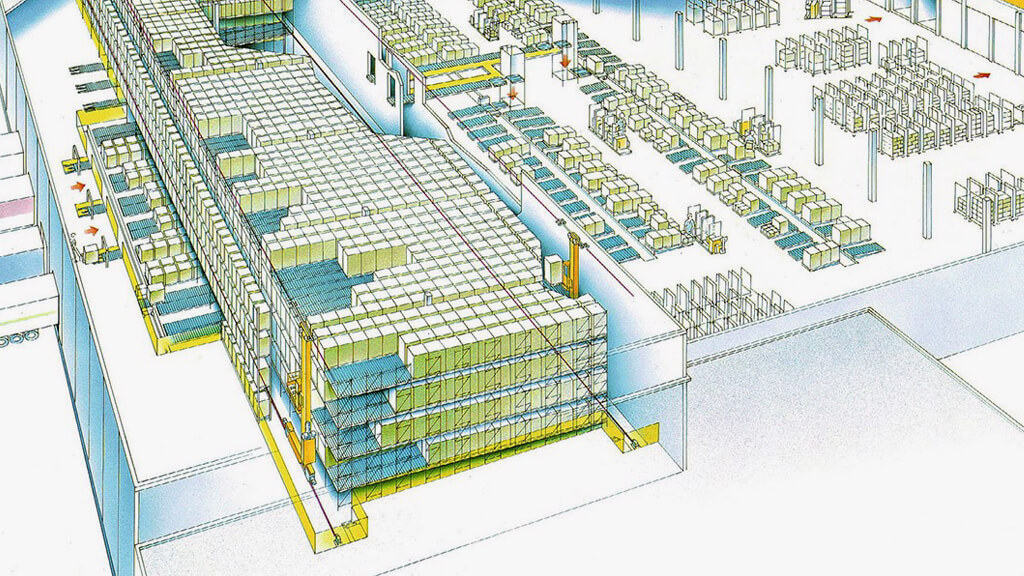
The result is a choreographed picking process that significantly reduces errors, accelerates order fulfillment, and enhances overall operational agility. Whether transporting pallets, bins, or individual items, these vehicles adapt to diverse material handling requirements. Their precision in movement not only enhances operational efficiency but also contributes to the overall safety and reliability of warehouse logistics. Automated conveyor and sorting systems streamline the movement of goods within the warehouse. These systems are designed for optimal routing, ensuring that products move seamlessly from one stage to another.
Unlocking Storage Potential through Vertical Space Utilization
Consider each touchpoint – from the moment goods are received, placed into storage, picked for orders, and finally shipped. Employees can quickly locate and retrieve items, improving overall operational agility and responsiveness to customer demands. Identifying potential bottlenecks in the inventory flow is a proactive outcome of the assessment. Understanding which products are in high demand and require quick access helps prevent congestion and bottlenecks in critical areas of the warehouse. The insights gained from the inventory assessment form the basis for developing an informed layout strategy. By knowing the unique attributes and demand characteristics of each product, you can strategically position items within the warehouse for optimal efficiency.
Step 10: Continuous Improvement Strategies
Flexibility for Future Changes transcends the immediate layout; it embodies a mindset that welcomes change, innovation, and the continuous evolution of operational excellence. A warehouse designed with flexibility at its core not only navigates the currents of change but also emerges as a resilient hub capable of meeting the challenges of tomorrow with unwavering prowess. Flexibility for Future Changes is not a one-time endeavor but an ongoing commitment to continuous improvement. Regularly audit the warehouse layout to identify areas for optimization, efficiency enhancements, and adaptations to emerging industry trends. Invest in scalable automation solutions that can be incrementally adopted and expanded. This scalability enables the gradual incorporation of automation into different facets of warehouse operations, ensuring a phased and cost-effective transition.
Optimized Space Utilization
Using Artificial Intelligence for Returns Management SupplyChainBrain - SupplyChainBrain
Using Artificial Intelligence for Returns Management SupplyChainBrain.
Posted: Tue, 26 Sep 2023 07:00:00 GMT [source]
It may seem like a minor detail, but it can make a huge difference when done right. Flow is crucial to warehouse layout and design because it sets you up for success from the start. If inbound or outbound shipments are chronically late, work with your wholesale supplier or wholesale marketplace (respectively) to see what can be changed.
Create easy-to-understand information labels and photos of products
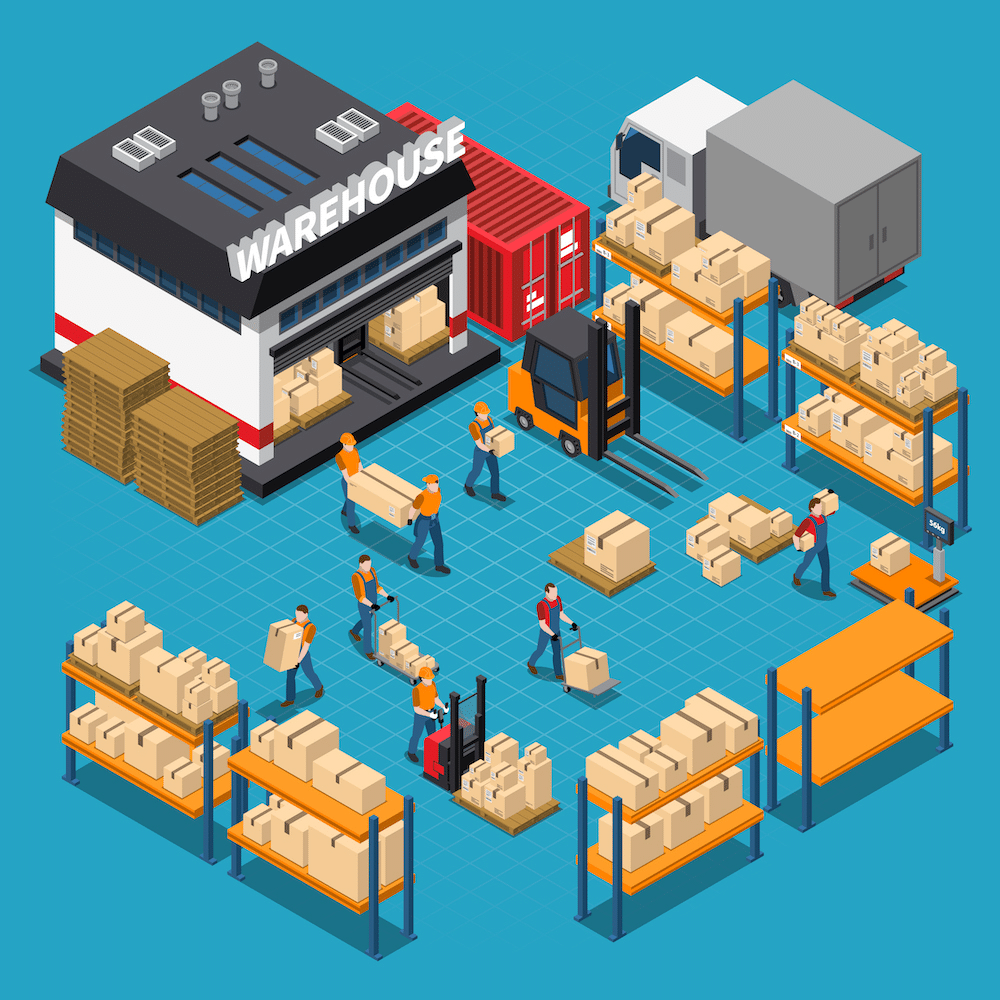
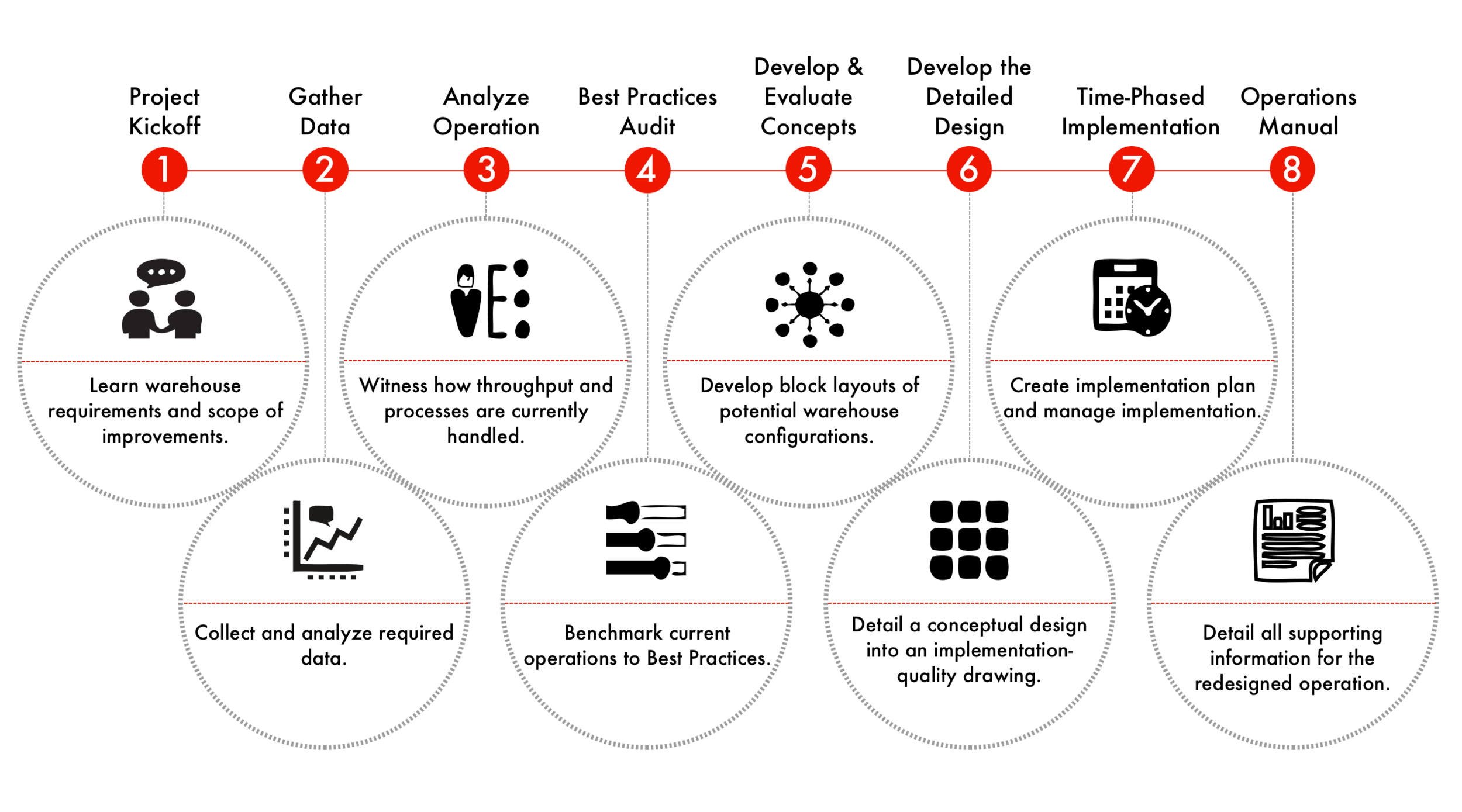
This comprehensive guide provides a step-by-step approach to designing a warehouse layout that goes beyond mere storage, emphasizing space utilization, accessibility, and workflow efficiency. Planning a warehouse layout design can be a complex process due to the various factors involved. This process includes strategically planning a facility layout that can properly utilize the space available, facilitate the smooth functioning of warehouse operations, and increase efficiency. A well-planned space also cuts down on operational costs around picking, packing, and shrinkage. A well-designed space makes it easier for workers to pick and pack orders, which means they can finish more orders faster.
Expert Warehouse Design and Layout Ideas and Tips
For example, if you’re storing perishable items that need to be kept cool or frozen, then you’ll have to factor temperature-controlled zones into your warehouse layout design. When designing your warehouse, you’ll want to consider factors like the size and shape of products, pallet sizes, box sizes, and any other special requirements. In addition to vertical space, another way to optimize your warehouse layout is to ensure that your aisles are wide enough. On the flip side, an ideal warehouse layout will help increase the overall storage capacity of your space. By optimizing your warehouse layout, you can reduce fulfillment times and ensure your customers get their orders quickly and accurately. In cold storage facilities, invest in insulation and temperature control systems.
Orchestrating the Symphony: Advantages of Automation Integration
Investing in a digital warehouse management system can help you to run your warehouse more effectively and ensure that all of your operations are running smoothly. Both of these methods can help streamline your warehouse operations and improve overall productivity. Each zone contains a specific set of products that are to be picked for orders placed in that zone. Zone picking is a type of order fulfillment system in which the warehouse is divided into several different zones.
The Imperative of Safety Measures
In fact, for pack and ship (and some assembly operations), efficient arrangement of storage areas is likely your prime concern. After addressing primary units like equipment, stock shelving, and assembly stations, the next step is thinking about how workers, materials, and goods move in and around your key elements. When drawing your layout, plan as though one square on the grid paper equals one square foot in your warehouse. That way, the spatial relationships on your project will match your actual space. The easiest way to create a physical design is with a copy of your warehouse blueprint. If you’re renting, your landlord might be able to provide a blueprint you can use.
For example, when you redesign a facility warehousing retail products, you can find extra space to increase the amount of inventory you can house at any given time. In addition, you can organize your inventory to make order picking and packing more efficient. You need to determine the amount of space your warehouse can hold to plan your warehouse floor better.
You don’t want to have to go back and redesign something or cease operations because your new warehouse layout doesn’t abide by OSHA guidelines. You’ll need to factor in enough space for equipment, such as forklifts, to safely navigate through aisles. Leave plenty of room for employees to safely walk down aisles and pass each other between storage bins. Also leave enough headroom for forklifts and machinery to clear lighting fixtures.Proper ventilation is essential.
Collaborative Mobile Robots, or CMRs, take collaboration to new heights within the warehouse ecosystem. These robots operate alongside human workers, contributing to tasks that demand mobility, such as inventory scanning, material transport, and collaborative assembly. The collaborative dance between humans and robots creates a dynamic synergy that amplifies overall operational efficiency.
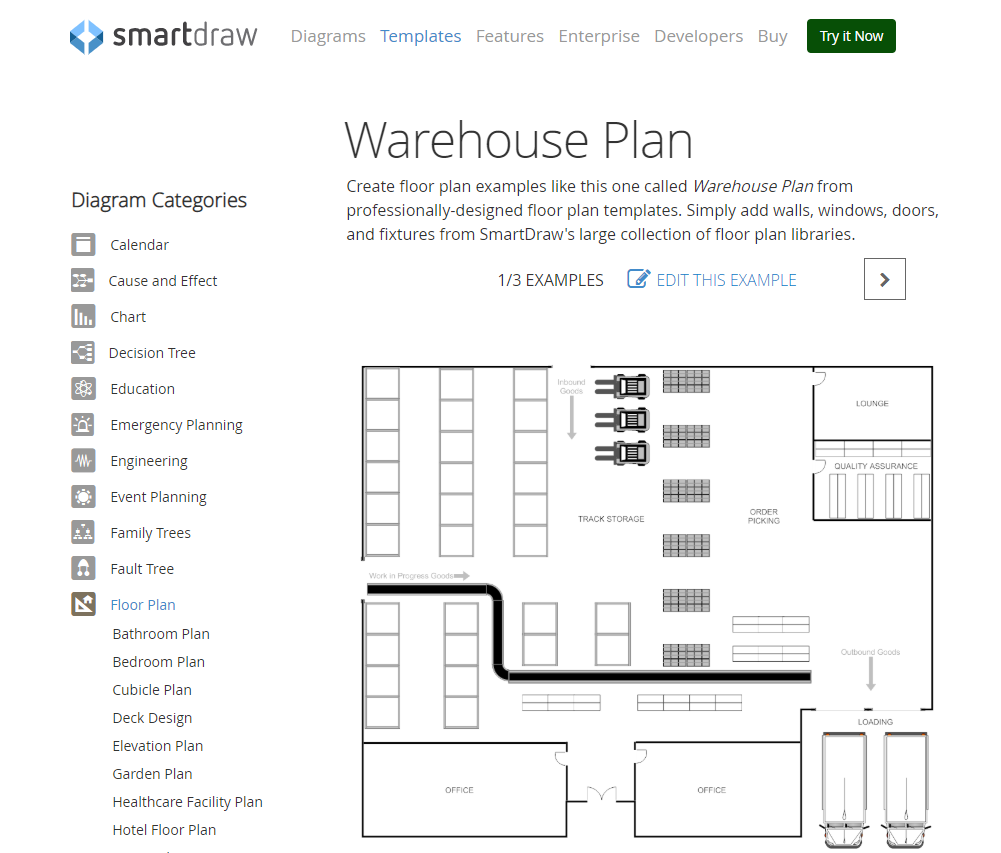
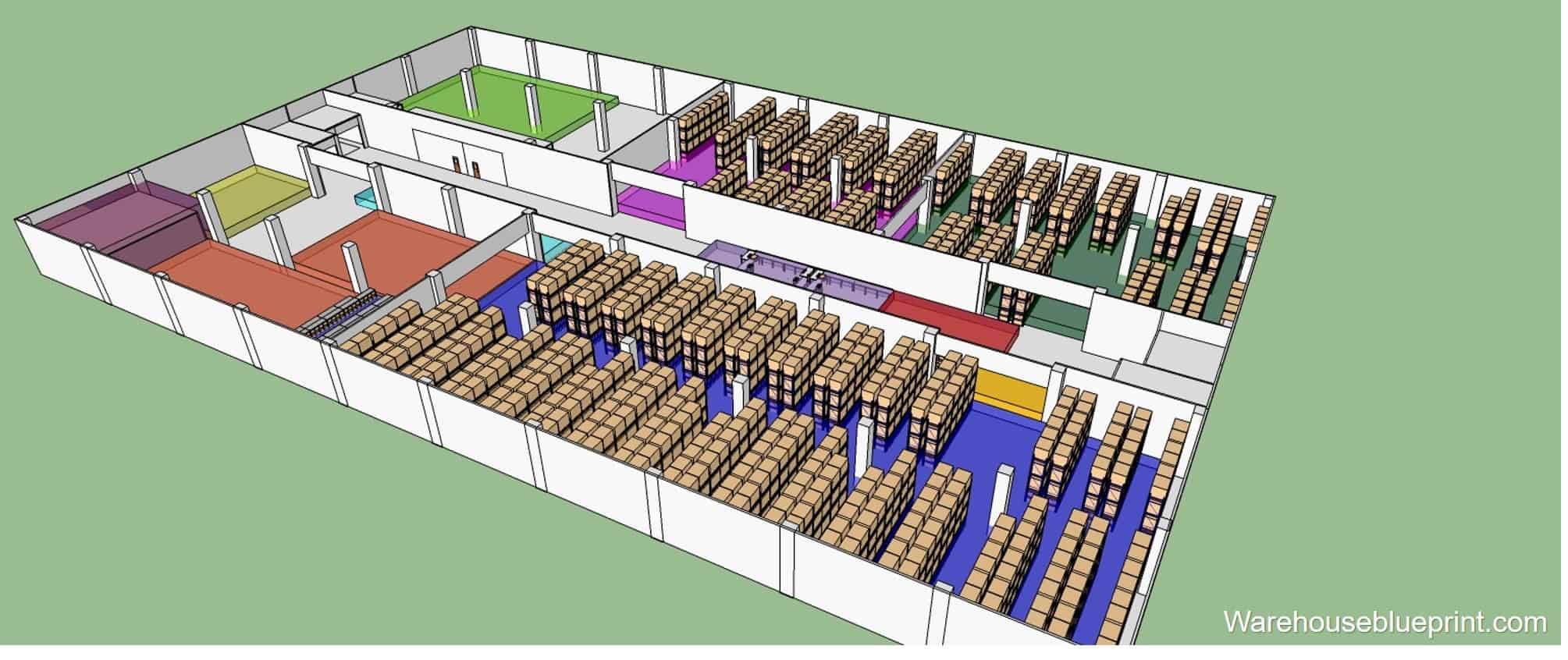
When this type of loading area is created, the warehouse floor should be above the level where the lorry drives. Loading and unloading areas can also be designed in which lorry are driven into a pit. As well, it shows an example of a warehouse layout distributed into six differentiated areas, including warehouse automation. When analyzing a facility for an optimal warehouse design and layout, the goal is to better use the space. That could mean optimizing traffic patterns and flow between workstations and departments, or using extra found space to store additional inventory. Planning your layout can slash costs for warehouse operations in a variety of ways — from using less space to store your goods and equipment to better real-time inventory tracking.
A small warehouse floor plan is all about space management while including all the necessary equipment such as lighting, rooms, workstations, furniture, etc. The floor plan usually shows the areas of the warehouse and how all these areas can be integrated to be in total sync. It is crucial to develop the flow that can boost productivity and ensure on-time delivery with minimal cost. The interior design of the warehouse should complement all the everyday business activities that can take place smoothly. Utilizing a warehouse management system (WMS) helps eliminate human error and keeps processes running efficiently using innovative technologies. A WMS includes software that will help organize physical and virtual warehouses, manage employee productivity, monitor inbound and outbound movements, and coordinate storage and shipping processes.